Reviewing the 100 Days of School Down Syndrome PNG
As a designer who spends more time staring at stitch simulations than I do sleeping, I have learned that not every digital graphic translates well into thread. We often see beautiful Graphics online that look stunning on a screen but turn into a tangled mess under the needle. Today, I am taking a close, practical look at the 100 Days of School Down Syndrome PNG. This is not just about whether it looks cute; it is about whether it holds up in a real-world embroidery project for a client, a small shop, or a personalized gift.
First Impressions and Visual Personality
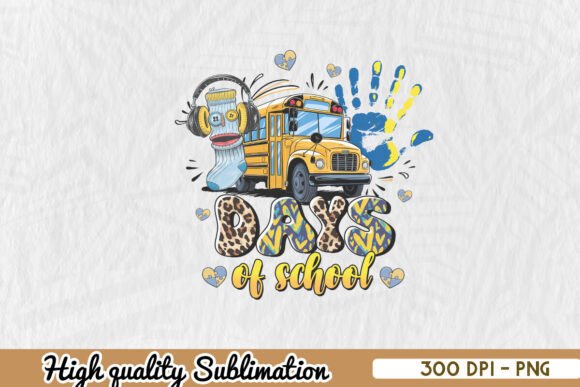
When I first opened the file, my immediate reaction was one of warmth. The theme is specific and meaningful, celebrating a milestone for children with Down syndrome. Visually, the layout feels balanced. It does not rely on overly complex gradients or microscopic details that usually spell disaster for embroidery machines. Instead, it leans into bold shapes and clear messaging. This is crucial. In the world of Crafts, clarity is king. If a customer cannot read the message from three feet away, the design has failed its primary purpose.
The mood is celebratory yet inclusive. For an embroidery designer, this suggests a need for bright, cheerful thread colors. I immediately imagined using vibrant yellows, blues, and whites. The visual personality is friendly and approachable, which makes it ideal for items meant to be worn with pride. It does not feel corporate or stiff; it feels handmade and heartfelt. This is exactly the vibe parents and teachers are looking for when they commission custom work for school milestones.
Real-World Application: The Sweatshirt Test
To truly evaluate this design, I mentally placed it on a standard children’s sweatshirt. This is perhaps the most common use case for this type of graphic. A sweatshirt embroidery project requires a design that can handle the texture of fleece or cotton blends without sinking in or puckering excessively. The 100 Days of School Down Syndrome PNG appears to have enough substance to sit well on these heavier fabrics.
I also considered its use on a canvas tote bag design. Tote bags are popular back-to-school items. Here, the durability of the stitch matters. If this were converted into a proper machine embroidery design, I would recommend using a satin stitch for the borders to give it a polished, professional edge. The central elements could utilize a fill stitch to ensure coverage. However, because this is currently a PNG, the end-user must be aware that they are responsible for the digitization process or using a high-quality printable transfer method as described in the product notes.
Considerations for Baby Items and Delicate Fabrics
While the theme fits perfectly with baby embroidery, caution is required. Baby clothes are often made from thin, stretchy knits. If you plan to stitch this directly onto a onesie, you must pay attention to stitch density. A dense design on a thin fabric will cause pulling and discomfort for the child. In this scenario, I would strongly advise using a cut-away stabilizer to support the fabric. Alternatively, consider creating an embroidered patch separately and then sewing or heat-pressing it onto the garment. This keeps the softness of the baby fabric intact while still showcasing the design.
Navigating Technical Challenges
Let us talk about the realities of converting a PNG into a stitched reality. Since this product is listed as a high-quality file suitable for printing or transfers, it serves as a fantastic base for various design assets. However, if you are digitizing this for machine embroidery, you must inspect the small details. Tiny lettering or intricate corners can easily get lost if the needle jump stitches are not optimized.
One area where designers often stumble is with curved surfaces, such as caps. Placing this design on a baseball cap requires careful hoop placement. The hoop size must accommodate the width of the graphic without distorting the brim. I recommend testing the design on a scrap piece of similar fabric first. This allows you to check tension and thread breakage before committing to the final finished product.
Dark fabrics present another challenge. If you are stitching on a navy or black shirt, you will need to use a white underlay or backing to make the colors pop. Without this step, the vibrancy of the 100 Days of School Down Syndrome PNG may appear muted. Always test your thread color contrast in natural light to ensure readability.
Commercial Value and Brand Consistency
For Etsy sellers and owners of a craft business, this design offers significant potential. It targets a niche market that is often underserved. Parents of children with Down syndrome are actively looking for inclusive, celebratory items for school events. By offering this as part of your small shop product line, you demonstrate awareness and inclusivity, which builds customer trust.
However, professionalism is key. Your handmade product must look polished. Sloppy stitching or poor fabric choices can undermine the emotional value of the design. Use this graphic to create cohesive collections. For example, pair the embroidered item with matching printable mockup images for your online listings. Show the design on different backgrounds to help buyers visualize it. This enhances buyer engagement and reduces return rates.
It is also worth noting the versatility of the file for non-embroidery uses. As mentioned in the description, it is easy to use for framing, cards, and party decor. This makes it a valuable addition to your library of digital embroidery file alternatives or general craft supplies. You can offer it as part of a bundle, increasing the perceived value for your customers.
Practical Designer Notes for Best Results
Before you launch this design into your production line, keep these practical tips in mind:
- Test on Scrap Fabric: Never skip this step. Check how the design behaves on the specific material you plan to use.
- Check Licensing: Ensure you understand the terms for commercial use. While the product description highlights ease of use for projects, always confirm if there are restrictions on selling finished items versus digital redistribution.
- Stabilizer Selection: Match your stabilizer to your fabric. Tear-away for stable woven fabrics, cut-away for knits and stretchy materials.
- Mockup in Black and White: Convert your preview to grayscale to check for contrast issues. If it looks good in black and white, it will look great in color.
- Inspect Small Details: If digitizing, simplify any tiny elements that may not stitch out cleanly. Less is often more in embroidery.
In conclusion, the 100 Days of School Down Syndrome PNG is a strong candidate for meaningful, celebratory projects. It bridges the gap between digital convenience and tactile craftsmanship. Whether you are creating a custom apparel piece for a local client or stocking your online store with inclusive holiday embroidery and school-themed items, this design holds up well under scrutiny. Just remember that the quality of the final output depends heavily on your technical execution. Treat the file with respect, prepare your materials carefully, and you will create a product that brings genuine joy to its recipient.